Zhuhai Zhengyuan Optoelectronic Technology Co., Ltd. +86-756-6831079 sales@luxfighter.com
FOLLOW US -
  • News

    Diagnosis and Analysis of LED Power Supply Faults

    2026-08-28T19:09:31.0000000Z

    In LED lighting systems, the operational stability of the driver power supply directly determines the service life and reliability of the entire lighting unit. Although LED chips themselves offer an exceptionally long lifespan, the LED driver power supply—due to its complex circuit design and component configuration—has become the most vulnerable component prone to failure in lighting systems. Industry data indicate that over 80% of failures in commercial LED luminaires originate from various abnormalities in the driver power supply.

    I. Issues Related to Aging and Failure of Electronic Components

    Basic electronic components such as resistors, capacitors, diodes, and transistors form the core of an LED driver power supply. During prolonged operation, these components are subject to various factors—including operating duration, environmental conditions, and electrical load—which lead to gradual aging. Common failure modes include open circuits, short circuits, burnout, leakage current, degradation of operational parameters, and performance failure, all of which serve as fundamental causes of power supply malfunctions.

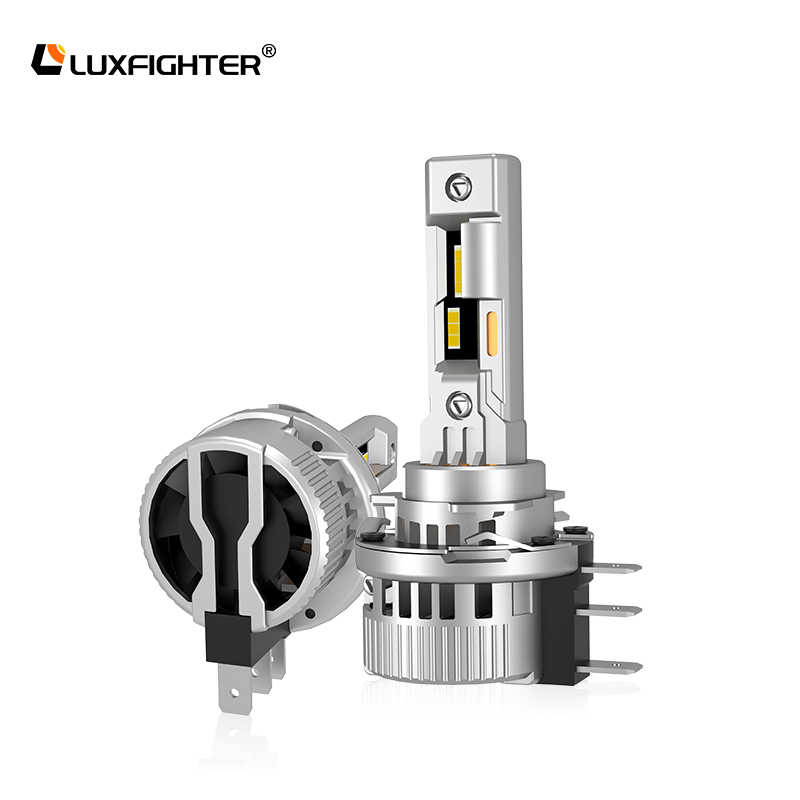
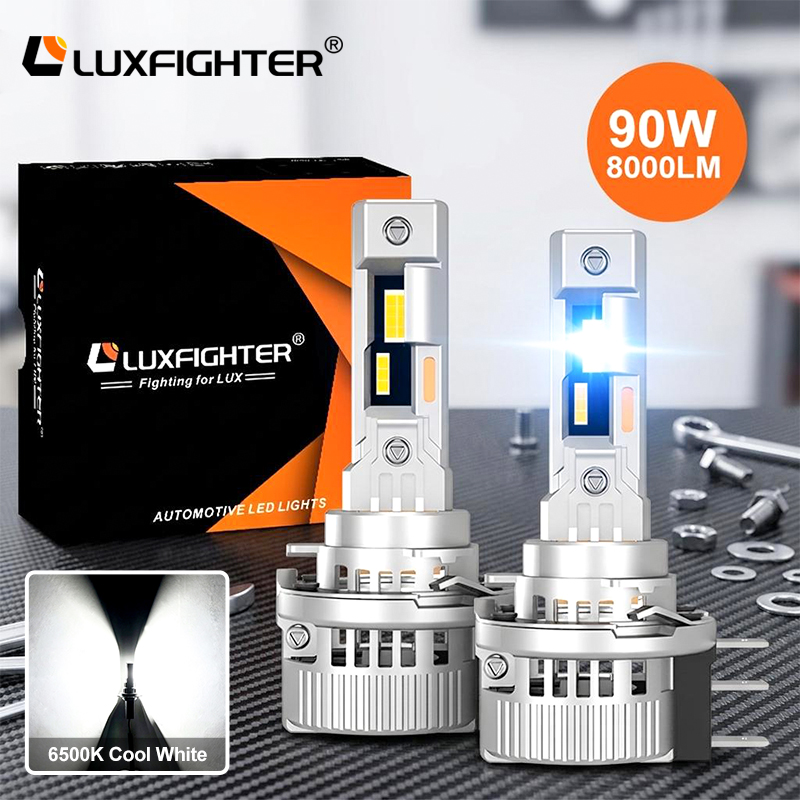
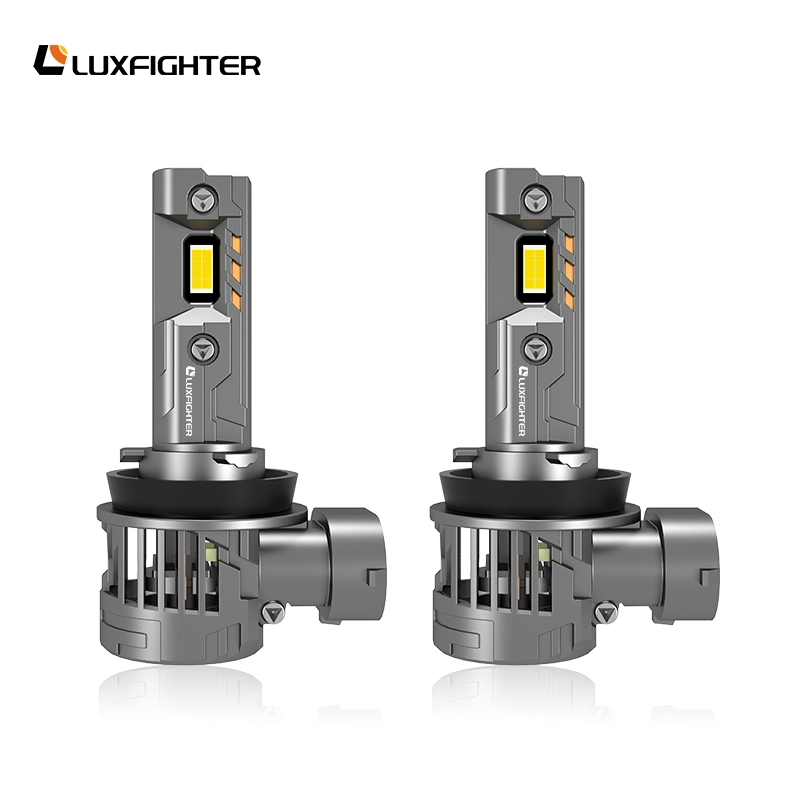
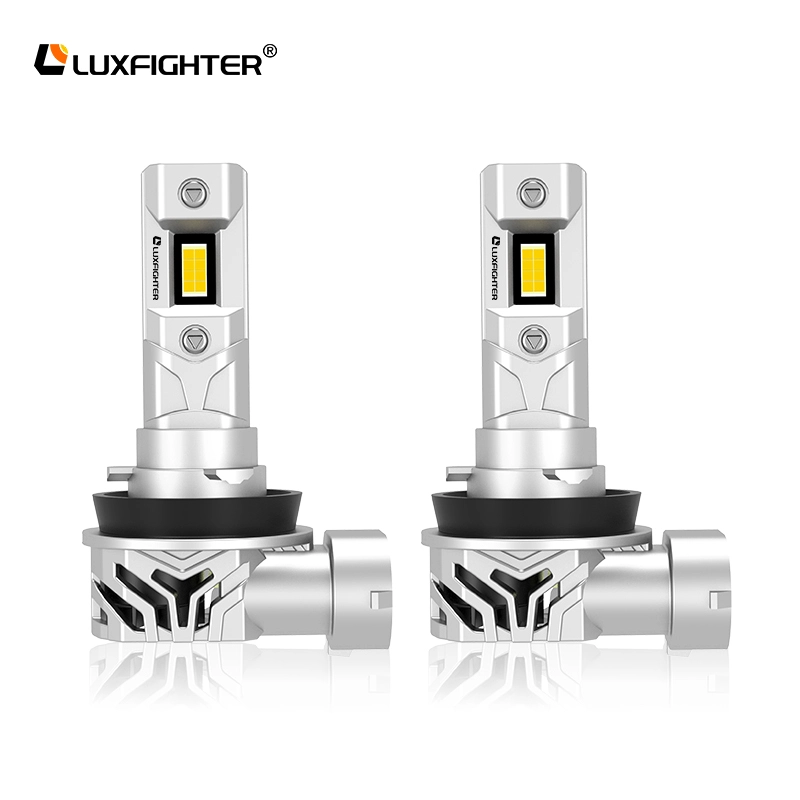
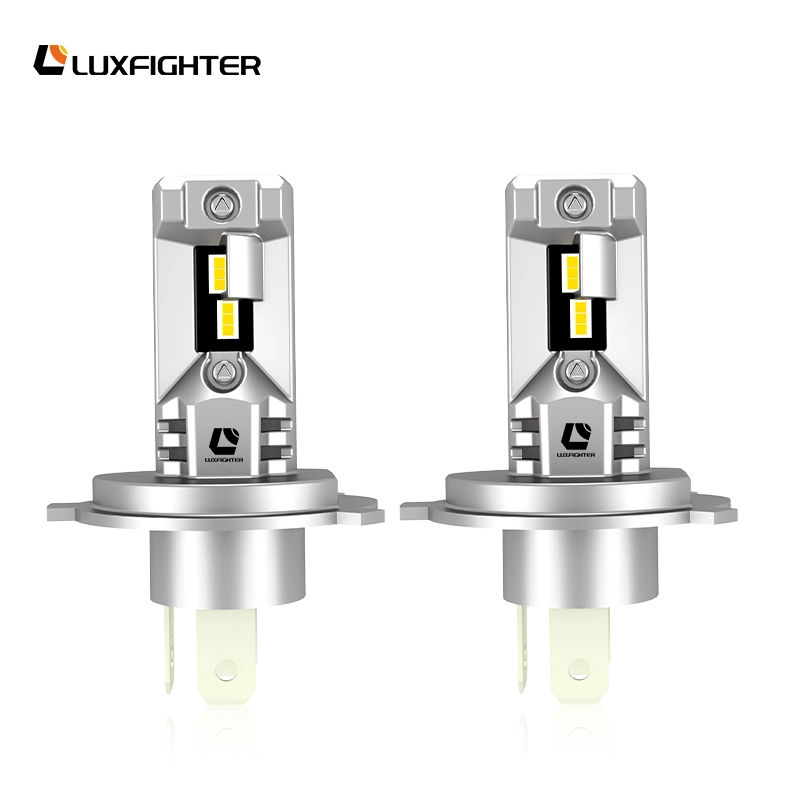
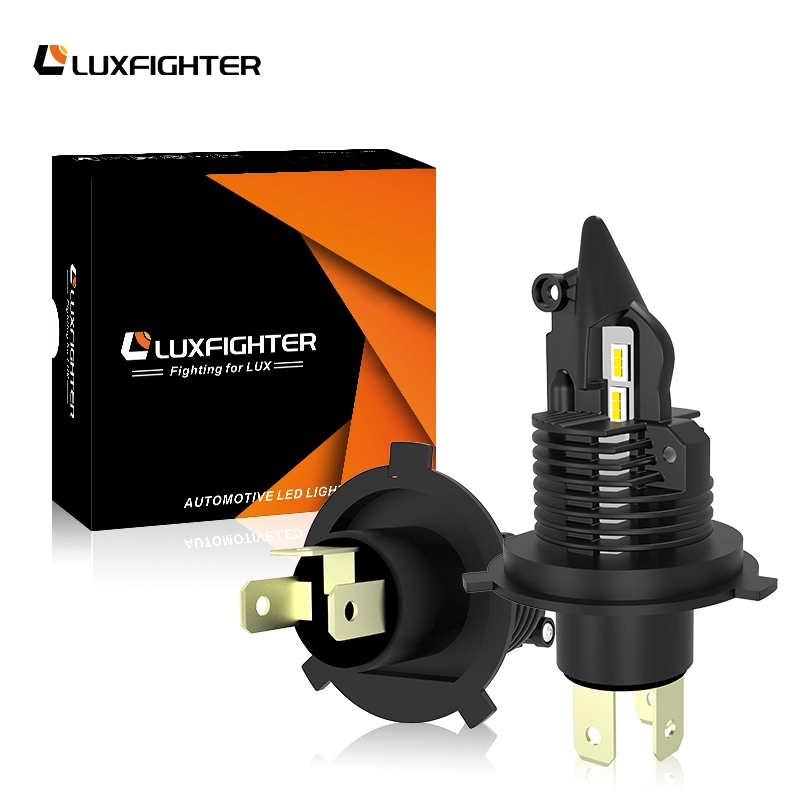
    Using finished lamps equipped with high-quality components helps mitigate aging risks at the source, as exemplified by Luxfighter's range of automotive LED headlight products China Plug and Play Series LED Headlight Factory - Zhengyuan Optoelectronic,China External Driver Series LED Headlight Factory - Zhengyuan Optoelectronic.All models are equipped with industrial-grade anti-aging electronic components, ensuring Luxfighter's LED headlights achieve a service life of over 50,000 hours and superior long-term stability.

    II. Impact of PCB Boards and Assembly Quality

    The manufacturing quality of printed circuit boards (PCBs) and their assembled products (PCBAs) serves as the fundamental prerequisite for ensuring stable operation of LED driver power supplies, with its quality directly impacting the overall reliability of the system. During production and long-term use, PCBs are prone to various defects such as inadequate pad wetting, board delamination, layer separation, growth of CAF conductive anode wires, open circuits, and short circuits—all of which can lead to abnormal operation or complete failure of the driver power supply. Leveraging professional and advanced failure analysis technologies, Jinjian Laboratory can precisely identify the root causes of PCB-related faults, providing technical support to help enterprises address issues related to board and assembly failures.

    Reputable brands implement stricter quality control in PCB manufacturing processes; for instance, all Luxfighter products utilize high-TG resin substrates and automated PCBA fabrication processes, effectively reducing PCB-related failure issues.

    III. Faults caused by poor heat dissipation conditions

    The various electronic components within an LED driver circuit are highly sensitive to ambient temperature and operating temperature rise, with electrolytic capacitors exhibiting the poorest temperature tolerance and being most significantly affected by high temperatures. If the overall heat dissipation design of the luminaire is inadequate or its cooling efficiency insufficient, the heat generated during operation cannot be dissipated promptly, causing core components to operate under prolonged high-temperature conditions. This substantially shortens component lifespan, leads to unstable performance of the LED driver power supply, and ultimately compromises the operational stability and service life of the entire lighting system. Therefore, during the power supply design phase, it is essential to prioritize optimizing the heat dissipation structure to ensure stable overall performance of the luminaire.

    IV. The Core Shortcomings in the Power Supply Design Phase

    The overall stability of an LED power supply depends on four critical design aspects: power parameter design, component selection, electrical performance specifications, and PCB layout and routing. Deficiencies in any of these areas can lead to malfunctions. At the power design stage, precise calculation of thermal energy loss is essential to meet operational requirements under high-temperature conditions; during component selection, particular attention must be paid to the parameter stability and durability of components in high-temperature environments; electrical performance design requires strict control over output parameters to ensure uniform brightness across the LED light source and sustained stable output current; PCB layout and routing design should adhere to standardized safe electrical spacing standards, optimally plan heat dissipation paths, and prevent issues such as localized heat accumulation and circuit interference.

    V. Power supply damage caused by lightning surges

    The instantaneous high-voltage pulses generated by lightning strikes can cause catastrophic damage to LED driver power supply circuits, directly damaging or burning out internal electronic components and rendering the equipment unusable. Indirect lightning strikes, such as conductive and induced lightning, are the primary causes of failures in outdoor and commercial lighting power supplies. Therefore, product development must incorporate comprehensive surge protection solutions to effectively withstand transient voltage and current surges from lightning strikes, ensuring reliable operation of the driver power supply. An effective thermal design significantly extends the lifespan of the power supply; for example, the Luxfighter Q10 series fanless LED headlights exemplify this approach Q10 Series-40W 6400LM Manufacturer & Supplier - Zhengyuan Optoelectronic,by optimizing the housing heat dissipation structure, overheating damage caused by fan failure is prevented.

    VI. Impact Effects of Grid Voltage Fluctuations

    Frequent and significant fluctuations in grid voltage can exceed the rated load capacity of LED driver power supplies, leading to internal circuit overload, component damage, and driver failure. Particularly in power supply lines serving large-scale electrical machinery, issues such as voltage fluctuations, transient voltage drops, and current surges are especially pronounced and represent common causes of lamp power supply failures; therefore, targeted protective measures like voltage stabilization and overload protection must be implemented.

    In summary, failures in LED driver power supplies are not caused by a single factor but result from the combined effects of multiple design, manufacturing process, environmental, and operational factors. To fundamentally enhance the operational reliability and service life of LED luminaires, comprehensive optimization is required, including selecting high-quality electronic components, strictly controlling PCB quality and assembly processes, optimizing thermal management and overall power supply design, improving lightning protection and grid voltage fluctuation mitigation mechanisms, and standardizing soldering procedures. Through these multi-dimensional controls, the failure probability of driver power supplies can be significantly reduced.

    In the field of automotive LED lighting, choosing Luxfighter—a brand renowned for its mature and reliable driver solutions—significantly reduces subsequent failure rates of LED headlights. All products in Luxfighter's LED headlight and auxiliary light series employ proprietary stable driver technologies,China Plug and Play Series LED Headlight Factory - Zhengyuan Optoelectronic,adapting to the complex electrical environment in vehicles is the optimal choice for reliability.

    Related News
    We use cookies to offer you a better browsing experience, analyze site traffic and personalize content. By using this site, you agree to our use of cookies. Privacy Policy
    Reject Accept