Zhuhai Zhengyuan Optoelectronic Technology Co., Ltd. +86-756-6831079 sales@luxfighter.com
FOLLOW US -
  • News

    Don’t Ignore Faulty Brake Lights! A 1-Minute DIY Replacement Guide

    2026-06-12T13:46:43.0000000Z

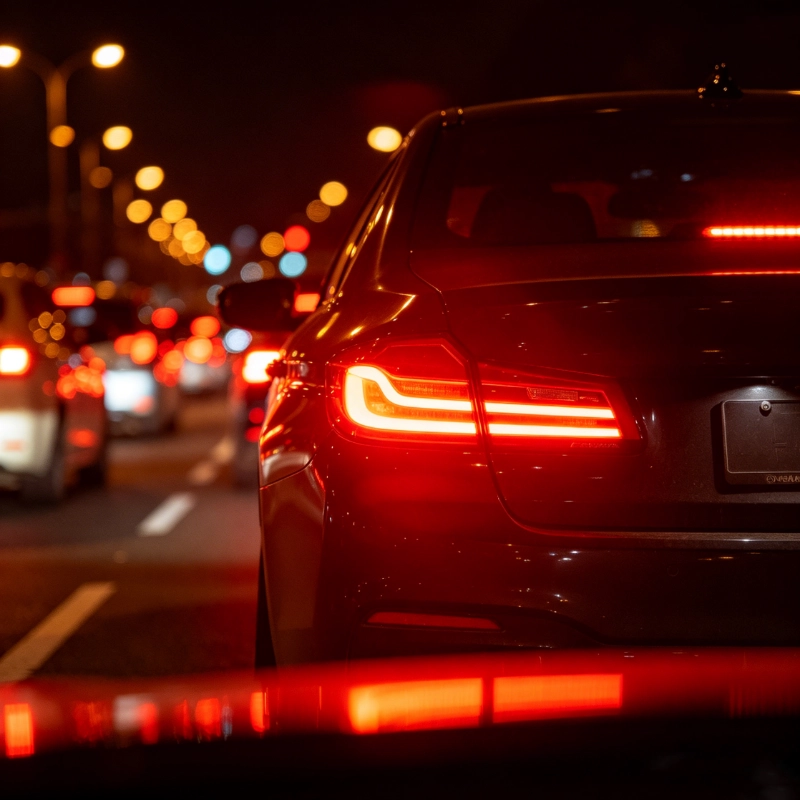
    Brake lights (also commonly referred to as stop lights) are essential safety components for vehicles. Their primary function is to alert following and surrounding vehicles that the vehicle is slowing down, moving slowly, or about to stop, thereby effectively preventing rear-end collisions. Additionally, well-maintained brake lights reflect responsible driving behavior by enabling other drivers to clearly understand your intentions and take appropriate actions to slow down or yield promptly. Therefore, maintaining brake lights properly is a responsibility that every vehicle owner must prioritize. If a brake light malfunctions, it not only endangers the safety of both the driver and other road users but may also result in traffic penalties.

    In fact, a faulty brake light doesn't require excessive concern, and replacing the bulb doesn't necessitate a trip to a repair shop—it's simply a straightforward vehicle maintenance task that takes just minutes. This one-minute practical guide provides detailed explanations of the brake light's working principle, quick self-check methods, and complete steps for bulb replacement, helping you effectively address this safety hazard.

    First, let's briefly understand how the brake light works to facilitate subsequent operations. The brake light is controlled by a dedicated switch, which comes in two main installation configurations: one directly mounted on the brake pedal mechanism, and the other installed on the brake line or master cylinder. When the brake pedal is pressed, the switch closes, the circuit is activated, and the brake light illuminates immediately. If your vehicle is a newer model, it typically features a Body Control Module (BCM) that receives signals from the brake light switch and forwards them to other electronic control modules, enabling various intelligent vehicle functions.

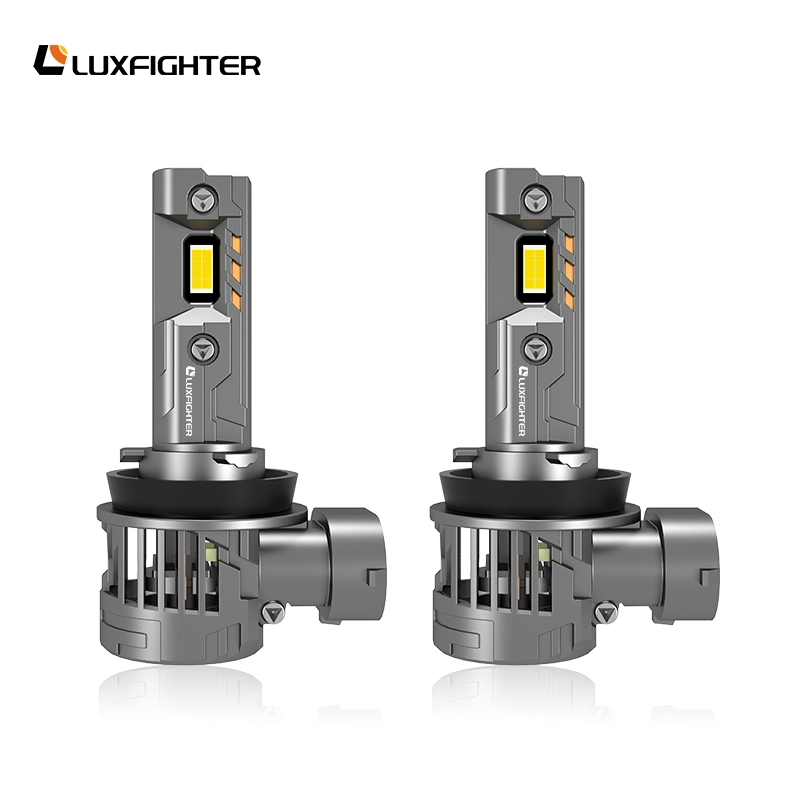
    Before replacing a bulb, first confirm that the brake light is indeed faulty. Here are four simple self-check methods: The first method involves having someone assist you – this is the simplest and most straightforward approach. Have an assistant stand at the rear of the vehicle while you sit in the driver's seat, turn on the ignition, gently press the brake pedal, and check whether the brake light illuminates properly. Ensure you inspect all brake lights on both sides of the vehicle as well as those located high on the roof to avoid any omissions. Daily self-checks also allow you to assess the condition of the lights; for long-term reliable performance, opt for high-quality components T10 Automotive LED Light both durability and brightness performance are outstanding.

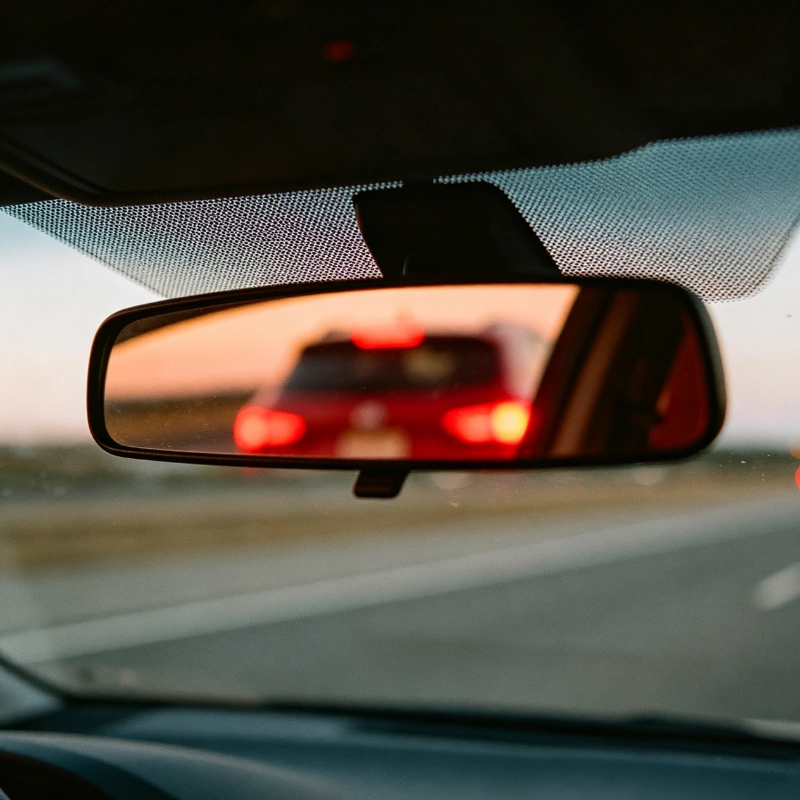
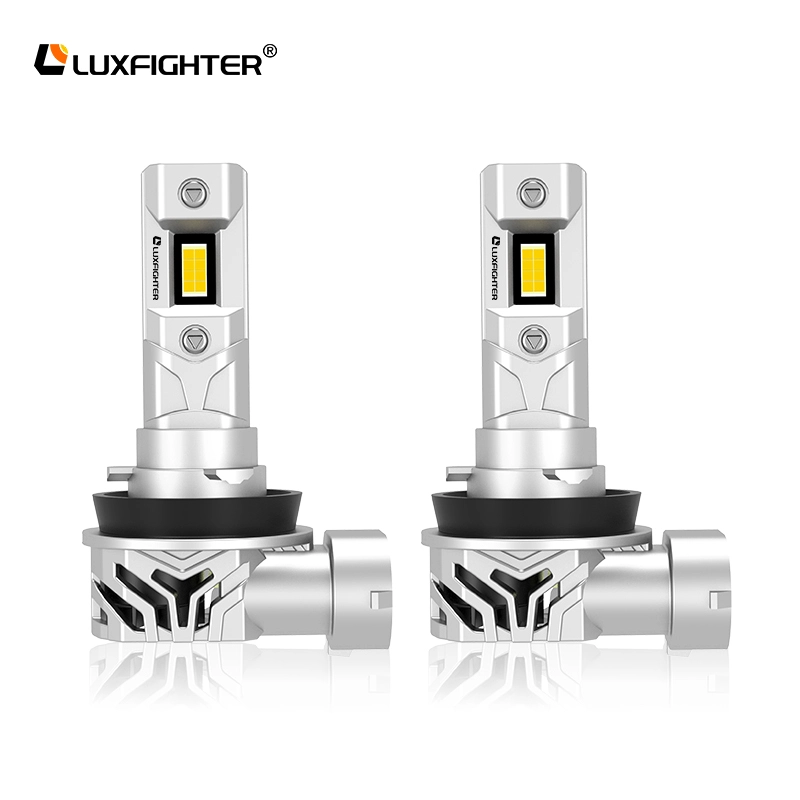
    The second method involves self-diagnosis using a heavy object. First, park the vehicle steadily and engage the handbrake. Place an item of moderate weight on the brake pedal and keep it pressed down. Then proceed to the rear of the vehicle to check whether the brake lights illuminate properly. If the lights appear dim, flicker frequently, or fail to light up at all, this indicates that the bulb has aged or is damaged.Replace promptly T10 Automotive LED Light,The vehicle's brake warning function can be quickly restored. The third method involves self-diagnosis using mirror reflection: park the vehicle near a glass window or reflective surface, and observe the reflected image through the rearview mirror. When pressing the brake pedal, if the brake light appears on the mirror, the system is functioning properly; otherwise, it indicates a fault. This method is also suitable for quick inspections during temporary parking, allowing immediate replacement of non-compliant lamps upon detection of issues.T10 Automotive LED Light compatible with most mainstream vehicle models, offering excellent installation compatibility.The fourth method involves using specialized tools for detection.If your vehicle frequently requires towing or external power supplies, consider purchasing an affordable plug-and-play circuit tester. This tool enables rapid inspection of brake light circuit continuity and integrity, efficiently identifying electrical faults. Once wiring issues are resolved, the problem typically stems from bulb degradation—therefore selecting a reliable replacement bulb is essential.

    After confirming the brake light malfunction, you may proceed with bulb replacement. The procedure is straightforward and easy to follow: Step 1 – Implement safety precautions by wearing protective goggles and non-slip gloves to prevent hand abrasions or contamination during installation/dismantling; additionally, disconnect the vehicle's power supply in advance to avoid potential hazards such as short circuits or electric shocks.

    Step 2: Disassemble the taillight assembly as needed. If you need to replace the bulb, remove the entire taillight by carefully loosening the mounting screws or clips, then slowly extract the assembly—do not pull forcefully to avoid damaging the internal wiring harness. If the taillight does not need to be removed, proceed directly to the next step.

    Step 3: Remove the old bulb. It is recommended to wear gloves throughout the process, as oils and salts secreted by human skin adhere to the bulb surface, leading to uneven heating and subsequently causing premature burnout or rupture of the bulb. Hold the socket and rotate it counterclockwise to disassemble it, then remove the old bulb from the socket. After removing the damaged component, proceed accordingly,you can then install a brand new one.T10 Automotive LED Light, This product offers excellent overall compatibility and a smooth installation process.

    Step 4: Install the new bulb. Before installation, apply an appropriate amount of specialized lamp grease to the bulb surface to facilitate smooth insertion into the socket. After placing the new bulb in the socket, reinsert the socket into its original position and push it into the slot, then rotate clockwise to secure it.

    Step 5: Reset and recheck. If the taillight assembly was previously removed, reinstall the screws and clips in their original positions to ensure proper alignment and secure fit against the vehicle body, then reconnect the vehicle's power supply.

    Finally, test the new bulb's functionality: press the brake pedal and the brake light should illuminate immediately; release the pedal and the light should turn off instantly. The activation travel for brake lights in most vehicles ranges from 6 to 12 mm, with slight variations by model; specific parameters are available in the vehicle's original user manual.

    The entire replacement process takes no more than ten minutes and requires no specialized skills—even novice drivers can easily complete it. Replacing faulty bulbs promptly and using high-quality vehicle lighting components will completely resolve brake light issues, ensuring the safety of both you and other road users.

    LUXFIGTHER is actively seeking strategic partners for collaborative partnerships. For more information, please email us at sales: Contact Us - Zhuhai Zhengyuan Optoelectronic Technology Co., Ltd.


    Related News
    We use cookies to offer you a better browsing experience, analyze site traffic and personalize content. By using this site, you agree to our use of cookies. Privacy Policy
    Reject Accept