Zhuhai Zhengyuan Optoelectronic Technology Co., Ltd. +86-756-6831079 sales@luxfighter.com
FOLLOW US -
  • News

    What types of fog light bulbs are available for vehicles? LED bulbs offer higher brightness and superior penetration capability, and are widely used in mid-to-high-end vehicles

    2026-10-29T13:29:27.0000000Z

    automotive fog light bulbs

    What types of automotive fog light bulbs are available? 

    First, distinguish between the light sources, and then consider compatibilityCommon light sources for automotive fog lights include halogen lamps, LED lamps, and gas discharge lamps. These three types of products differ significantly in terms of cost, brightness, response speed, heat dissipation requirements, and installation methods. For automotive parts distributors, modification shops, and lighting brand purchasers, it is inappropriate to base the selection of fog lights solely on the criterion of "the brighter, the better"; instead, they should consider factors such as vehicle-specific interfaces, lamp housing design, beam distribution characteristics, and compliance with target market regulatory requirements.

    It should be noted that the "penetration capability" of fog lights is not determined solely by the light source. Factors such as light color, beam height, cutoff line, reflector or lens configuration, actual luminous flux, as well as the presence of rain, fog, snow, and road surface reflectivity, can all affect the driver's effective visibility range. LED products offer higher luminous efficacy and more flexible light color options; however, if the light pattern is incompatible with the vehicle's original lighting fixtures, simply increasing brightness may cause glare, which could instead compromise road safety.

    Actual differences among the fog light light sources for the three vehicle categories

    1. Halogen fog lights: Their lower cost and ease of replacement make them more suitable for the basic maintenance market.

    Halogen lamp technology is well-established, featuring a simple structure, low procurement costs, ease of replacement, and broad compatibility across vehicle models. Its warm-colored light provides superior contrast in certain rain-or foggy conditions and on slippery road surfaces; consequently, it remains widely adopted in basic vehicle models and the automotive repair market.Its main limitations include:

    · At the same power consumption, its luminous efficacy is typically lower than that of LEDs.

    · The lamp housing operates at a relatively high temperature, which imposes requirements on the heat dissipation of the lamp base and the lamp fixture.

    · After prolonged use, the luminance and filament lifespan will affect the replacement interval.

    · During procurement, it is still necessary to verify the lamp base specifications, rated voltage, and the available space for the original vehicle lighting fixtures.

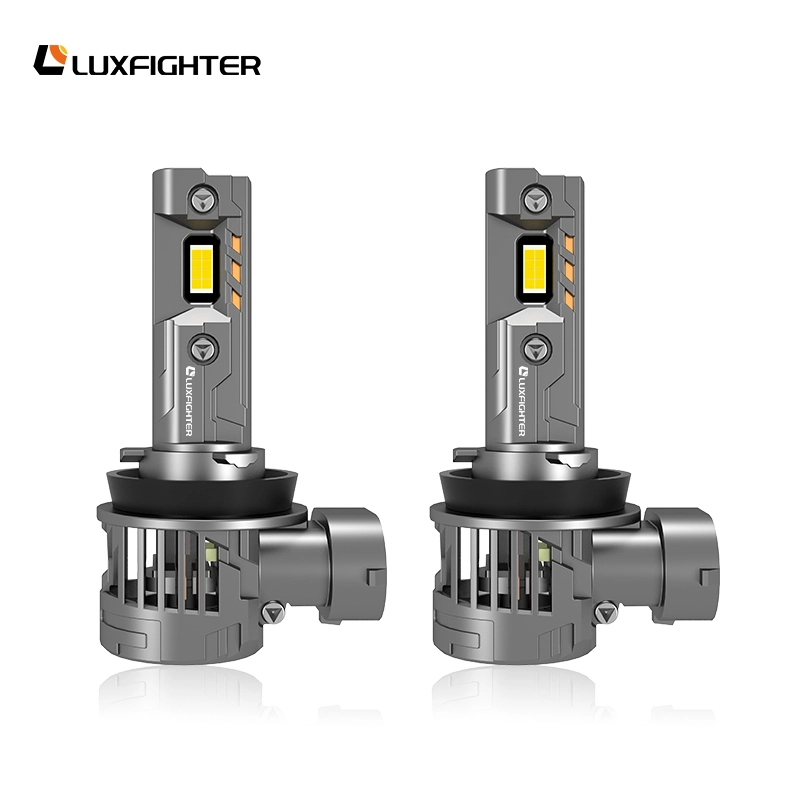
    2. LED fog light bulbs: superior brightness, lower power consumption, and product differentiation make them well-suited for the upgrade market.

    LED fog lamp bulbs utilize semiconductor light emission, offering rapid startup response, high luminous efficacy within a compact footprint, and support for white light, warm yellow light, or dual-color lighting configurations. For procurement entities seeking to enhance nighttime lighting performance, expand vehicle model compatibility, or develop OEM/ODM projects, LED technology has become a prevalent upgrade direction.However, LED lights are not necessarily better suited for use in foggy weather; therefore, careful verification should be conducted during procurement:

    · Light color options: 6500K white light is ideal for emphasizing clarity and a bright visual effect; warm yellow light around 3000K is typically better suited to meet contrast requirements in rainy or foggy environments; dual-light color products allow for easy switching based on weather conditions, though it is important to verify the control method and the actual light profiles.

    · Light Distribution and Installation Position: Fog lights require wide low-position illumination; they cannot be replaced by the high-brightness configuration of high beams. The placement of the LED beads, the lens structure, and the beam pattern must be compatible with the original vehicle lighting fixtures.

    · Heat dissipation method: High-power LEDs commonly employ fans or large-area aluminum alloy heat dissipation structures. The purchaser should pay close attention to the available space within the lamp housing, fan noise levels, sealing design, and long-term operational stability.

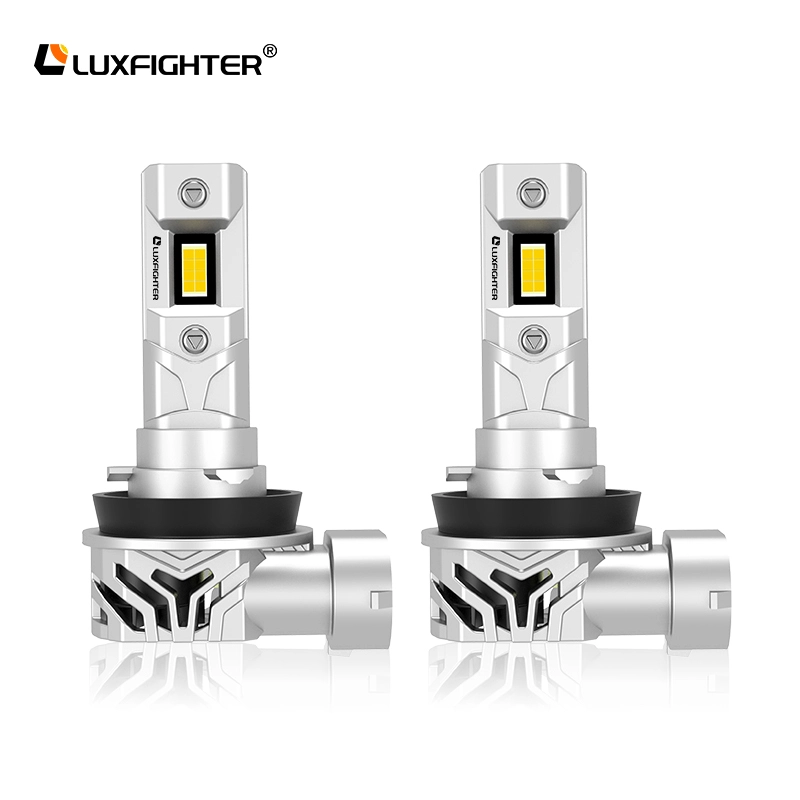
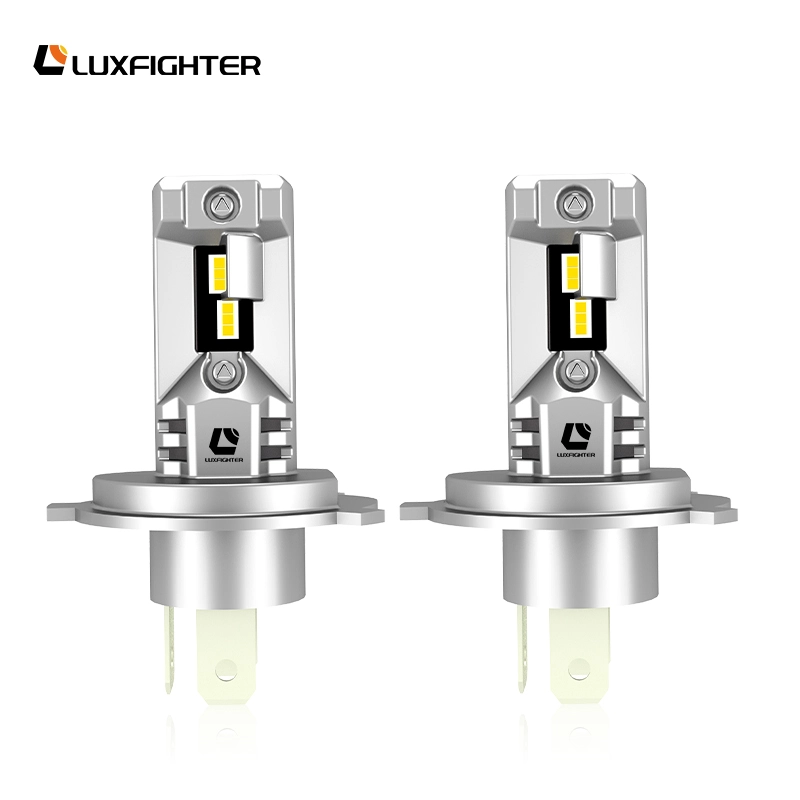
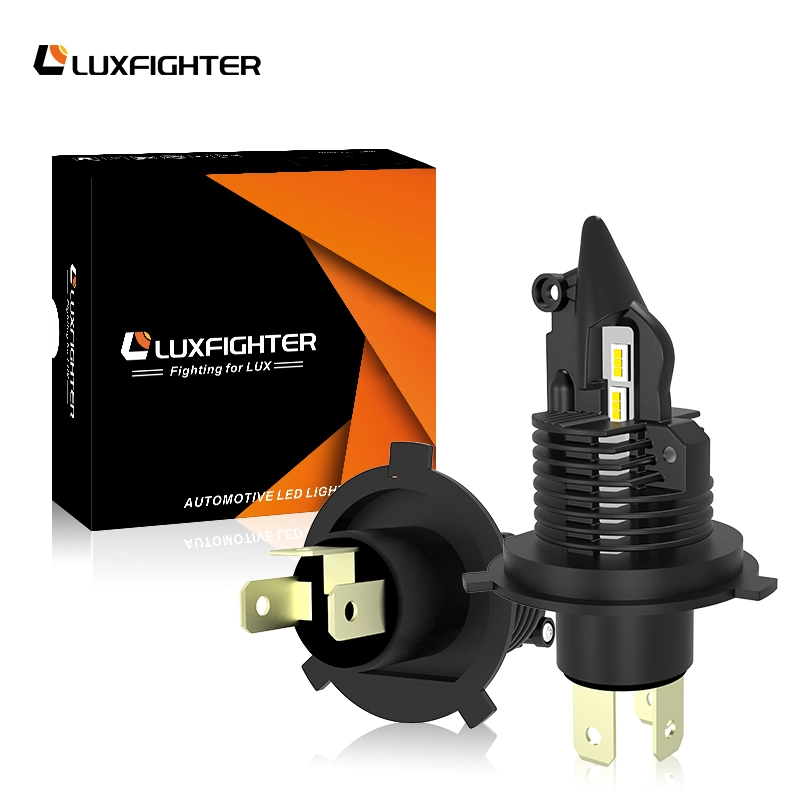
    · Electrical compatibility: Verify the interfaces H11, H8, H9, H4, H7, 9005,9006, and L1B to confirm the DC voltage range, driver dimensions, and whether a decoder or additional wiring harness is required.

    · Protection and Verification: Interpretations of ratings such as IP65 and IP67 should be based on product specifications, test conditions, and the actual installation environment; the overall performance of the vehicle should not be judged solely by a single waterproof rating.

    3. Gas discharge lamps: Not recommended as the default solution for upgrading standard fog lights.

    Gas discharge lamps operate on high-voltage ignition and gas discharge to emit light; they were once commonly used in certain high-end lighting systems. These lamps typically require an independent ballast and a high-voltage ignition assembly, resulting in greater system complexity, higher costs, and more stringent installation requirements compared to conventional halogen or LED bulbs. In the automotive parts procurement and aftermarket modification markets, the adoption of such solutions should be evaluated on a case-by-case basis—considering the vehicle's original lighting system, applicable regulations, and installation conditions—rather than simplistically equating "higher brightness" with "superior penetration capability in foggy conditions."

    automotive fog light bulbs


    Why are LED fog lights a key focus for procurement entities?


    From the perspectives of product development and the automotive parts supply chain, the primary advantage of LED fog lights lies in their configurability, rather than in a single brightness value.

    1. The standardized specifications facilitate easier scalability.A single product platform can support the development of diverse SKUs based on interfaces such as H11, H8, H9, H4, H7, and L1B, enabling distributors to cover a wider range of vehicle models.

    2. Light color and power output offer greater flexibility. White light, warm yellow light, and dual-light color configurations can be tailored to meet the specific requirements of different regions, weather conditions, and retrofit needs.

    3. It is better suited for serialized product development. The procurement party can strategically plan its product line based on entry-level replacement, performance upgrades, and high-brightness fog light assemblies.

    4. Suitable for OEM/ODM customization. Parameters—including chips, drivers, housing, packaging, logos, and interface configurations—can be adjusted based on brand positioning and target market requirements; however, all specifications shall be subject to the results of sample testing and mass-production validation.

    Reference catalog of automotive fog lights and LED bulbs currently available in our store

    The following products are sourced from LUXFIGHTER's existing product catalog and are suitable for use as internal links within articles, for procurement selection, or as redirects to dedicated product pages. The power, lumen, color temperature, interface, and protection rating specified in the product titles are all derived from the product information; however, before making a purchase, it is still recommended to confirm the complete specifications, test conditions, packaging method, and compatible vehicle models directly with the supplier.

    Dual-color L1B fog lamp bulb: L1B Built-in Cooling Fan Fog Lights Manufacturer & Supplier - Zhengyuan Optoelectronic

    L1B fanless fog lamp bulb: L1B Fanless Fog Lights Manufacturer & Supplier - Zhengyuan Optoelectronic

    New Q58 Direct-Fitting High-Lumen High-Brightness Fog Light Bulb: Q58 Series-80W 10600LM Manufacturer & Supplier - Zhengyuan Optoelectronic

    Best-selling Q66 series through-hole LED fog lights: Q66 Series-100W 11000LM Manufacturer & Supplier - Zhengyuan Optoelectronic

    H11 LED replacement bulb: H11/H8/H9 - Car Headlights Sizes - Zhengyuan Optoelectronic

    How to Select LED Fog Light Products for Auto Parts Procurement?

    Procurement for maintenance and replacement

    Prioritize verifying the original vehicle's bulb model, bulb socket configuration, rated voltage, bulb body length, and installation space. For similar connector types such as H11, H8, and H9, general compatibility cannot be determined solely by visual inspection; instead, it should be verified through sample vehicle installation and electrical testing. For repair channels, priority should be given to stable supply, ease of replacement, after-sales service rates, and packaging labeling; peak parameters listed in the product title should not be used as a substitute for actual in-vehicle performance.

    Procurement for vehicle modification and upgrading

    It is recommended to evaluate brightness, color rendering, light distribution, and heat dissipation as an integrated system. When dual-color operation is required, the switching logic, wiring harness, and control method should be verified; when using a fan for heat dissipation, the available space on the lamp housing, the fan's service life, and the dust-and water-resistant construction should be checked; when employing a high-power solution, the vehicle's original wiring, fuses, and driver circuit load should also be verified.

    Conclusion: Higher brightness does not equate to greater penetration capability; proper matching is the cornerstone of fog light procurement.

    Halogen, LED, and gas-discharge lamps each have their respective suitable application scenarios. Halogen lamps are better suited for cost-sensitive markets and basic replacement needs; LED lamps are more appropriate for the automotive parts market, where demand arises from requirements for higher brightness, diverse color options, compatible interfaces, and product upgrade capabilities; gas-discharge lamps, on the other hand, require more sophisticated system matching. For procurement officers, when selecting automotive fog lamp bulbs, they should incorporate the following criteria into a unified evaluation framework: luminaire type, color rendering, interface compatibility, electrical compatibility, thermal management, protection rating, regulatory compliance, and batch consistency—rather than focusing solely on specifications such as "lumens" or "watts."

    Related News
    We use cookies to offer you a better browsing experience, analyze site traffic and personalize content. By using this site, you agree to our use of cookies. Privacy Policy
    Reject Accept