Zhuhai Zhengyuan Optoelectronic Technology Co., Ltd. +86-756-6831079 sales@luxfighter.com
FOLLOW US -
  • News

    Which External Driver Series LED Headlight Delivers Reliable Performance for Modern Vehicles?

    2026-11-17T13:44:01.0000000Z

    Automotive LED Lighting Guide

    Automotive lighting plays a critical role in driving safety, visibility, and vehicle appearance. As LED technology continues to develop, more drivers and automotive aftermarket professionals are looking for headlight upgrades that deliver stable illumination, efficient heat management, and dependable operation. An External Driver Series LED Headlight uses a separate driver module connected to the LED light assembly, creating a split structure that separates power regulation from the main light source.

    This design offers practical advantages in thermal management, component arrangement, and maintenance flexibility. However, selecting the right external driver LED headlight involves more than comparing wattage and advertised brightness. Vehicle compatibility, bulb base, driver installation space, beam pattern, cooling performance, electrical characteristics, and local lighting regulations all need careful consideration. This guide explores the working principles, benefits, applications, selection criteria, and maintenance requirements of external driver LED headlights, helping vehicle owners, distributors, and automotive businesses make informed purchasing decisions.

     External Driver Series LED Headlight


    1. What Is an External Driver Series LED Headlight?

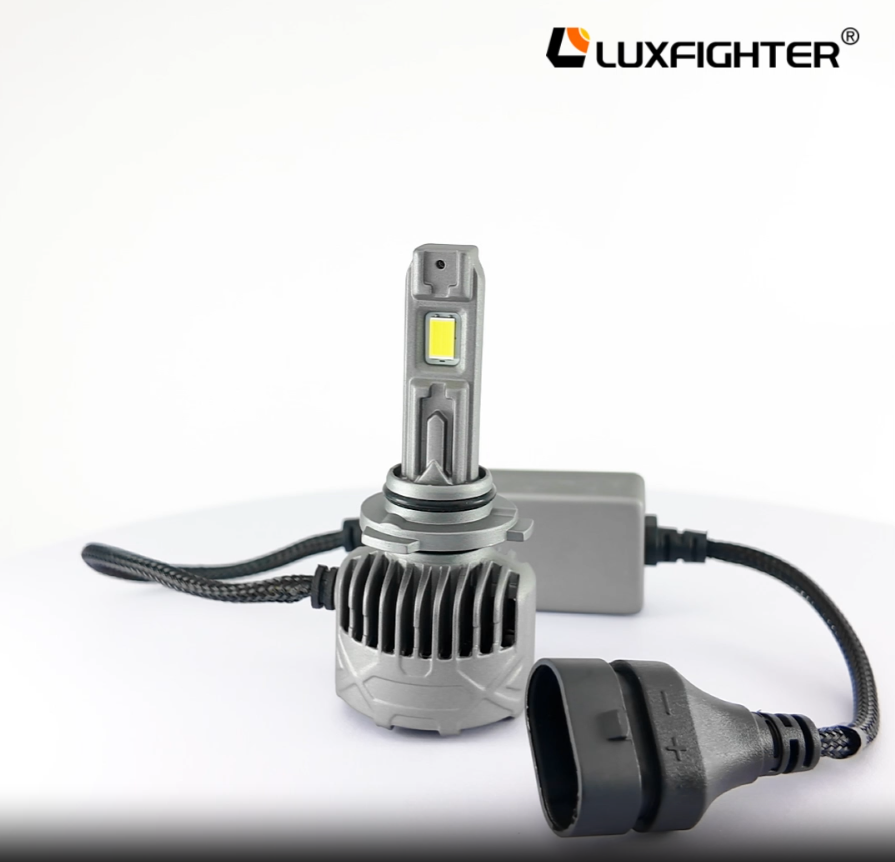
    An External Driver Series LED Headlight is an automotive LED lighting product in which the LED light assembly and its driver module are designed as separate components. A dedicated cable connects the external driver to the LED bulb, allowing the power control electronics to operate outside the main lamp body.

    Unlike a built-in driver LED headlight, where the driver circuit is integrated into the bulb housing, an external driver configuration distributes the system into two functional sections. The LED assembly focuses on producing light and managing the heat generated by the LED chips, while the external driver regulates the electrical power supplied to those chips.

    The driver is an essential part of an LED lighting system. Automotive electrical supplies can experience voltage fluctuations and electrical disturbances. The driver helps convert and regulate the input power into the electrical conditions required by the LED light source.

    Separating these components creates additional design flexibility. Depending on the product configuration, the external driver can be positioned in a suitable location inside the headlight assembly or engine compartment, provided that the installation environment meets the manufacturer's requirements.

    Key concept: An external driver LED headlight separates the power regulation module from the LED light assembly. This arrangement can improve component layout flexibility and simplify access to individual modules during maintenance.

    What Are the Main Components?

    • LED Chips: Generate the light output used to illuminate the road.
    • LED Circuit Board: Supports the LED chips and their electrical connections.
    • External Driver: Regulates electrical power supplied to the LED light source.
    • Cooling System: Helps remove heat generated during LED operation.
    • Connection Cable: Connects the external driver with the LED assembly.
    • Mounting Structure: Secures the bulb and associated components inside the headlight housing.

    Each component affects overall performance. A well-designed LED headlight needs to balance electrical stability, thermal management, optical positioning, and mechanical compatibility.

    2. How Does an External Driver LED Headlight Work?

    The operating process begins when the vehicle's electrical system supplies power to the external driver. The driver processes the input and provides regulated current to the LED chips, allowing them to produce consistent illumination under the specified operating conditions.

    Step 1: Power Input

    When the vehicle lighting circuit is activated, electrical power is supplied through the vehicle's headlight connector. The input voltage depends on the vehicle's electrical system and operating condition.

    Step 2: Electrical Regulation

    The external driver receives the input power and regulates the electrical output according to the LED assembly's requirements. This helps manage current delivery and supports stable operation when the input voltage changes within the product's designed operating range.

    Step 3: LED Light Generation

    The regulated electrical current reaches the LED chips, which convert electrical energy into visible light. The optical arrangement and positioning of the LED chips influence how the light is distributed through the vehicle's reflector or projector system.

    Step 4: Heat Management

    Not all electrical energy is converted into visible light. Heat is generated during operation and must be managed to protect the LED chips and other electronic components.

    The LED assembly typically uses an aluminum heat sink and, depending on the model, an active cooling fan. The separate driver also has its own housing and thermal management requirements.

    Step 5: Road Illumination

    The completed lighting system produces a beam pattern designed for its intended application. Proper LED positioning is important because even a bright light source can create poor road visibility if the beam is incorrectly focused.

    Performance reminder: The quality of an LED headlight is not determined by the driver alone. LED chip selection, optical design, cooling, electrical regulation, and compatibility with the original headlight assembly all contribute to the final result.

    3. Why Does the External Driver Design Matter?

    Heat accumulation, electrical instability, difficult maintenance, and limited installation flexibility are common concerns when upgrading automotive headlights. The external driver structure is designed to address some of these challenges through component separation.

    Separating Two Important Heat Sources

    The LED chips generate heat during illumination, while the driver contains electronic components that also produce heat during power conversion. When both sections are integrated into a compact housing, their thermal conditions can influence one another.

    With a separate driver, the LED assembly and power module can be arranged to manage their respective heat sources more independently. This may reduce thermal interaction and create additional opportunities for optimizing the cooling structure.

    Improving Maintenance Accessibility

    A modular structure can make certain maintenance operations more convenient. If the driver or LED assembly develops a fault, technicians may be able to inspect the components separately and replace the faulty module when the manufacturer supports individual replacement.

    This does not mean every external driver product is fully repairable. The actual maintenance procedure depends on the product's connector design, component availability, and manufacturer service policy.

    Supporting High-Performance Lighting Designs

    Some high-power LED headlight designs require more space for cooling structures and electrical components. Separating the driver from the LED assembly gives product designers additional freedom to arrange these components.

    For users who frequently drive at night or travel on poorly illuminated roads, choosing a well-engineered lighting system with suitable thermal and optical performance can be particularly important.

    4. Key Advantages of External Driver LED Headlights

    External driver LED headlights offer several practical benefits when the vehicle and installation conditions are suitable.

    01. Independent Driver Arrangement

    The power control module is separated from the LED assembly, allowing more flexible component positioning.

    02. Improved Thermal Layout

    Separate component housings can help reduce thermal interaction and support more effective cooling design.

    03. Maintenance Flexibility

    Modular construction can allow individual components to be inspected or replaced when supported.

    04. High-Power Design Potential

    The separate arrangement provides additional flexibility for designing higher-output lighting systems.

    05. Flexible Installation Layout

    The driver can be mounted separately in an appropriate location, subject to available space and cable routing.

    06. Upgrade Potential

    Some modular product platforms support replacement or upgrades of compatible components without changing the entire system.

    Why Thermal Management Is So Important

    Excessive operating temperature can accelerate LED degradation and affect the reliability of electronic components. If heat cannot be removed effectively, the system may experience reduced output, unstable operation, or shortened component life.

    An external driver configuration can help designers manage heat distribution more effectively, but it does not automatically guarantee better cooling. Actual results depend on heat sink design, fan performance, airflow, materials, and the temperature inside the headlight housing.

    5. Understanding Important Technical Specifications

    Before purchasing an External Driver Series LED Headlight, buyers should review its technical specifications carefully. These parameters help determine whether the product can meet the vehicle's electrical, optical, and installation requirements.

    Specification Meaning Why It Matters
    Rated Voltage Designed vehicle electrical input range. Must match the vehicle's electrical system.
    Power (W) Electrical power consumption under specified conditions. Affects electrical load and heat generation.
    Luminous Flux (lm) Total visible light output. Provides an indication of light quantity.
    Color Temperature (K) Describes the perceived color of the emitted light. Affects visual appearance and lighting preference.
    Bulb Base Mechanical connection standard. Must match the vehicle's original bulb socket.
    Cooling Method Fan cooling, passive cooling, or combined design. Influences thermal performance and installation space.
    Driver Design Separate power regulation module. Determines wiring, mounting, and maintenance requirements.
    Beam Pattern Distribution of light on the road. Important for visibility and glare control.
    Protection Rating Specified resistance to dust and water ingress. Important for durability in the installation environment.

    Power and Luminous Flux

    Wattage indicates electrical power consumption, while lumens describe luminous flux. These measurements are related but are not interchangeable. A higher wattage does not automatically mean a better beam or improved visibility.

    Buyers should review measured light output and optical performance rather than relying only on advertised wattage or lumen figures.

    Color Temperature

    Automotive LED headlights are available in different color temperatures. Around 6000K is commonly associated with a cool white appearance, while lower color temperatures generally appear warmer.

    The preferred color should be considered alongside weather conditions, visual comfort, vehicle requirements, and local regulations. Color temperature alone does not determine road illumination quality.

    Beam Pattern and Optical Performance

    The beam pattern is one of the most important aspects of a headlight. A properly designed beam should illuminate the road effectively while controlling excessive light above the intended cutoff area.

    Incorrect LED chip positioning or unsuitable optical alignment can cause glare for oncoming drivers. Therefore, beam distribution and correct installation should be evaluated alongside brightness.

    6. How to Choose the Right External Driver LED Headlight

    Selecting a suitable LED headlight requires a systematic assessment of vehicle compatibility, driving conditions, technical performance, and installation limitations.

    Step 1: Identify the Original Bulb Type

    Start by confirming the bulb specification required by the vehicle. Common automotive bulb types include H1, H4, H7, H11, 9005, 9006, 9007, H13, and 9012.

    Do not assume that two bulbs are interchangeable simply because their connectors look similar. Their base dimensions, locking mechanisms, electrical connections, and optical positions may differ.

    Step 2: Check Available Installation Space

    An external driver requires additional mounting space. Before purchasing, check the area behind the headlight housing, available cable length, dust cover clearance, and possible mounting positions.

    A driver that cannot be secured properly may move during vehicle operation, become exposed to excessive heat, or interfere with other engine compartment components.

    Step 3: Evaluate Electrical Compatibility

    Confirm the rated voltage and electrical characteristics of the product. Some vehicles use sophisticated lighting control systems that monitor bulb current or perform diagnostic checks.

    These systems may produce dashboard warnings or compatibility problems after an LED conversion. In such cases, a vehicle-specific solution may be required.

    Step 4: Select Appropriate Brightness and Color

    Choose a model with suitable luminous output and color characteristics for the vehicle and intended driving conditions. Prioritize usable road illumination and a controlled beam pattern rather than maximum advertised brightness.

    Step 5: Review the Cooling System

    Check whether the model uses a cooling fan, passive heat sink, or another thermal management arrangement. Confirm that the cooling system has sufficient clearance and airflow after installation.

    Step 6: Verify Legal Compliance

    Automotive headlight regulations vary between countries and markets. A bulb that physically fits a vehicle is not automatically approved for road use in every jurisdiction.

    Check whether the exact product and vehicle application meet applicable requirements, including any relevant ECE or other local approval requirements. Do not assume that a certification held by one model applies to every product in a series.

    Practical buying advice: Provide your vehicle make, model, year, original bulb type, headlight housing design, and target market to the supplier. This information makes compatibility evaluation much more accurate.

    7. External Driver vs. Built-in Driver LED Headlights

    Both external driver and built-in driver LED headlights are widely used in automotive lighting upgrades. Neither design is universally superior. Their suitability depends on vehicle space, lighting requirements, maintenance expectations, and product engineering.

    Comparison External Driver LED Headlight Built-in Driver LED Headlight
    Driver Position Separate from the LED assembly. Integrated into the bulb structure.
    Installation Space Requires additional driver mounting space. Generally more compact as a complete unit.
    Thermal Layout Allows separate thermal management arrangements. Heat sources are concentrated in one assembly.
    Wiring Requires a separate driver connection cable. Usually has a more integrated connection structure.
    Maintenance May allow independent module replacement. Often requires replacement of the complete bulb assembly.
    Installation Requires suitable driver positioning and cable management. Generally simpler when vehicle compatibility is confirmed.
    Design Flexibility Provides greater flexibility in component arrangement. More limited by the integrated housing design.
    Typical Consideration Suitable for applications prioritizing modular design and thermal layout flexibility. Suitable for applications prioritizing compactness and simpler installation.

    When Is an External Driver Design Worth Considering?

    An external driver model is worth considering when the vehicle has enough installation space and the user values separate driver positioning, modular maintenance, and a flexible thermal design.

    When Is a Built-in Driver More Practical?

    A built-in driver may be more practical when installation space is limited, the vehicle has a compact headlight housing, or a simpler installation process is preferred.

    The final decision should always be based on the actual product specifications and vehicle compatibility rather than the driver structure alone.

    8. Vehicle Compatibility and Installation Considerations

    Compatibility is one of the most common concerns when upgrading from halogen headlights to LED products. Even a technically advanced bulb may not perform correctly if its base, electrical connection, or physical dimensions do not match the vehicle.

    Check the Bulb Socket

    Confirm the original bulb code through the vehicle owner's manual, original bulb markings, or a reliable vehicle parts catalog. This helps avoid purchasing the wrong bulb base.

    Measure the Headlight Housing

    Check the available depth behind the bulb mounting point. The LED assembly, cooling fan, connector, and external driver all need sufficient space.

    Consider Dust Cover Clearance

    Many headlights use rear dust covers to protect internal components from moisture and contaminants. The upgraded LED system must fit without placing excessive pressure on the cover or restricting cooling airflow.

    Secure the External Driver

    The driver should be mounted firmly in an appropriate location. Avoid areas exposed to excessive engine heat, water accumulation, direct mechanical impact, or moving components.

    Check Wiring and Polarity

    Follow the manufacturer's wiring diagram and confirm the correct connection procedure. Incorrect wiring may prevent the light from operating properly or cause electrical faults.

    Adjust the Beam After Installation

    After replacing a headlight bulb, verify the beam pattern and alignment using an appropriate aiming procedure. A light source that is not positioned correctly can create excessive glare or poor illumination even when the LED bulb itself is functioning normally.

    Safety notice: Headlight installation should follow the vehicle manufacturer's instructions and applicable electrical safety procedures. If wiring, headlight aiming, or vehicle electronic compatibility is uncertain, use a qualified automotive technician.

    9. Common Problems and Troubleshooting

    External driver LED headlights can experience electrical, thermal, or installation-related issues. Understanding common symptoms helps users and technicians identify potential causes more efficiently.

    Problem Possible Cause Recommended Action
    LED Headlight Does Not Turn On Loose connector, incorrect wiring, driver failure, or incompatible vehicle circuit. Check the connections and test the power supply according to the product instructions.
    Flickering Light Voltage fluctuation, poor connection, driver issue, or vehicle monitoring system interference. Inspect the electrical system and verify vehicle compatibility.
    Uneven Brightness LED chip damage, optical misalignment, or unstable power supply. Check the LED assembly, driver, and headlight positioning.
    Overheating Restricted airflow, cooling fan failure, or unsuitable installation environment. Inspect cooling clearance and the thermal management system.
    Dashboard Warning Vehicle bulb monitoring system detects different electrical characteristics. Confirm compatibility and use only an approved vehicle-specific solution.
    Moisture Inside the Headlight Damaged dust cover, poor sealing, or ventilation issues. Inspect the housing seal and installation arrangement.
    Short Service Life Excessive operating temperature, unstable supply, or unsuitable product selection. Review the operating environment and manufacturer specifications.

    Why Does an LED Headlight Flicker?

    Flickering can result from several different causes. The vehicle's electrical supply may fluctuate, the connector may not be secure, or the driver may be incompatible with the vehicle's electronic monitoring system.

    Replacing the bulb immediately may not solve the problem. A proper diagnosis should check the power supply, connections, driver performance, and vehicle control system.

    What Causes Excessive Heat?

    LED headlights generate heat even though they are generally more energy-efficient than traditional halogen bulbs. A cooling fan that is blocked or unable to rotate properly may cause temperature buildup.

    Installation conditions also matter. A cooling system that performs well in open air may not achieve the same results inside a restricted headlight housing.

    10. Maintenance Tips for Better Performance

    Regular inspection can help maintain lighting performance and identify potential problems before they affect normal vehicle operation.

    Inspect Electrical Connections

    Check the driver connectors, wiring harness, and bulb socket for looseness, corrosion, or visible damage. Secure connections help reduce electrical resistance and intermittent operation.

    Keep the Cooling System Clear

    Make sure the cooling fan and heat sink are not blocked by dust, debris, or surrounding components. If the product uses an active fan, check for abnormal noise or signs that the fan has stopped operating.

    Check the External Driver Mounting

    Verify that the driver remains securely fixed and that its wiring is not stretched, pinched, or exposed to excessive heat.

    Inspect Headlight Sealing

    Check the rear dust cover and housing for correct installation. Poor sealing can allow moisture and contaminants to enter the headlight assembly.

    Verify Beam Alignment

    After installation or maintenance, check that the headlights remain correctly aimed. Road vibration or incorrect bulb positioning can affect the beam direction.

    Follow Manufacturer Maintenance Instructions

    Do not disassemble sealed electronic components or apply unapproved cleaning chemicals. Follow the product's maintenance guidance and contact the supplier if a driver or LED assembly develops a fault.

    11. What Should Buyers Check Before Purchasing?

    For automotive aftermarket distributors, wholesalers, retailers, and OEM customers, purchasing decisions should consider product consistency, technical support, compatibility, and long-term supply capability.

    11.1 Product Quality and Testing

    Review the manufacturer's quality control procedures and ask how products are inspected before shipment. Relevant checks may include electrical operation, light output, thermal performance, vibration resistance, and other tests appropriate to the product design.

    11.2 Certifications and Market Requirements

    Different markets have different automotive lighting regulations. Buyers should confirm the exact model's applicable approvals and documentation before importing or distributing products.

    For example, products intended for regulated European road use may need to meet the relevant ECE requirements for their specific category and application. Approval status should be verified by model and approval number.

    11.3 Product Range and Vehicle Coverage

    A supplier with multiple bulb bases and product configurations can help distributors serve different vehicle applications. Buyers should review the actual product catalog and compatibility information rather than relying on general statements about universal fitment.

    11.4 OEM and ODM Support

    Automotive lighting distributors may require customized packaging, branding, product specifications, or other OEM/ODM services. Confirm the supplier's available customization scope, minimum order quantities, development process, and delivery arrangements.

    11.5 After-Sales Service and Spare Parts

    For external driver products, the availability of compatible drivers, cables, and LED assemblies can be important. Buyers should understand the warranty policy and the procedure for handling defective products.

    Purchasing Checklist

    • Confirm the vehicle bulb base and application.
    • Check rated voltage and power consumption.
    • Review measured luminous flux and color temperature.
    • Evaluate the beam pattern and optical performance.
    • Confirm the external driver dimensions and cable length.
    • Check cooling fan and heat sink specifications.
    • Verify the installation space and headlight housing clearance.
    • Request applicable product certifications and test documentation.
    • Confirm warranty, packaging, and after-sales support.
    • Discuss OEM/ODM requirements and supply arrangements if necessary.

    Why Consider LUXFIGHTER?

    LUXFIGHTER is an automotive lighting brand under Zhuhai Zhengyuan Optoelectronic Technology Co., Ltd. The company was established in 2007 and focuses on the development and production of automotive LED headlights and other vehicle lighting products.

    Its product portfolio includes LED headlights, fog lights, motorcycle lights, brake lights, turn signals, reverse lights, and other automotive lighting solutions. The external driver series is designed for applications that value separate driver architecture, component flexibility, and thermal management.

    For distributors and automotive aftermarket buyers, working with a manufacturer that understands different vehicle lighting requirements can help simplify product sourcing and technical communication.

    Explore the LUXFIGHTER External Driver Series LED Headlight product range to review available models and configurations.

    12. Frequently Asked Questions

    Q1. What is an External Driver Series LED Headlight?

    It is an automotive LED headlight in which the driver module is separated from the LED light assembly. The external driver regulates electrical power and supplies the LED chips through a dedicated connection cable.

    Q2. What is the main advantage of an external driver LED headlight?

    Its main advantage is the separate component arrangement. This provides additional flexibility for thermal management, driver positioning, and maintenance compared with many integrated designs.

    Q3. Are external driver LED headlights brighter?

    Not automatically. Brightness depends on LED chip performance, electrical power, optical design, thermal management, and the complete product configuration. An external driver can support certain high-performance designs, but the actual light output must be checked from the product specifications.

    Q4. Do external driver LED headlights last longer?

    They can benefit from a separate thermal layout, but service life depends on component quality, operating temperature, electrical stability, cooling performance, and vehicle installation conditions. No specific lifespan should be assumed without product test data.

    Q5. Are external driver LED headlights difficult to install?

    They may require more installation work than integrated driver models because the external module needs a suitable mounting location and additional cable management. The difficulty depends on vehicle space and the product's installation design.

    Q6. Can an external driver LED headlight fit any vehicle?

    No. Compatibility depends on the original bulb base, headlight housing dimensions, electrical system, available installation space, and vehicle lighting control system. Always confirm the exact vehicle application before purchasing.

    Q7. What does the LED driver do?

    The LED driver regulates the electrical power supplied to the LED chips. It helps maintain suitable operating current and voltage within its specified input and output ranges.

    Q8. Why does an external driver LED headlight flicker?

    Possible causes include unstable vehicle voltage, loose connectors, driver malfunction, or interference from the vehicle's bulb monitoring system. The electrical connections and vehicle compatibility should be checked before replacing components.

    Q9. What color temperature is suitable for LED headlights?

    The appropriate color temperature depends on the user's preference, driving environment, and local regulations. Around 6000K is commonly associated with a cool white appearance, but beam quality and road illumination should take priority over color alone.

    Q10. What should distributors consider when purchasing external driver LED headlights?

    Distributors should evaluate product specifications, vehicle compatibility, certifications, quality testing, available bulb bases, warranty terms, spare parts, packaging, and the supplier's OEM/ODM support capabilities.

    Q11. Can the external driver be installed anywhere inside the engine compartment?

    No. It should be secured in a suitable location that meets the manufacturer's requirements for temperature, moisture exposure, vibration, cable routing, and available clearance. It should not be left loose or placed near moving or excessively hot components.

    Q12. Are external driver LED headlights suitable for professional automotive aftermarket distributors?

    Yes. They can be considered for distributors serving customers who need modular lighting designs, separate driver arrangements, and a range of compatible vehicle applications. Product quality, regulatory approval, and market demand should be evaluated before sourcing.

    Conclusion: Choosing a Better External Driver LED Headlight Solution

    An External Driver Series LED Headlight offers a practical lighting design by separating the driver module from the LED light assembly. This configuration creates more flexibility in component placement, thermal management, and maintenance, making it an attractive option for selected automotive lighting upgrades.

    However, a successful LED headlight upgrade depends on more than the external driver structure. Vehicle compatibility, bulb base, electrical stability, cooling performance, luminous output, beam pattern, and regulatory compliance all play important roles in the final result.

    For vehicle owners, choosing a properly matched headlight can improve the overall lighting experience. For automotive distributors, wholesalers, and OEM buyers, working with an experienced lighting manufacturer can help ensure consistent product specifications and more reliable sourcing.

    Looking for a Reliable External Driver LED Headlight Manufacturer?

    LUXFIGHTER, a brand of Zhuhai Zhengyuan Optoelectronic Technology Co., Ltd., specializes in automotive LED lighting solutions for global aftermarket customers.

    Whether you are sourcing external driver LED headlights for automotive distribution, retail, vehicle modification, or OEM projects, our product range offers different configurations to meet various market requirements.

    Need product specifications, vehicle compatibility information, bulk pricing, or OEM/ODM support? Contact us today to discuss your requirements and explore suitable automotive LED headlight solutions with LUXFIGHTER.

    Explore Products Contact Us
    Related News
    We use cookies to offer you a better browsing experience, analyze site traffic and personalize content. By using this site, you agree to our use of cookies. Privacy Policy
    Reject Accept